
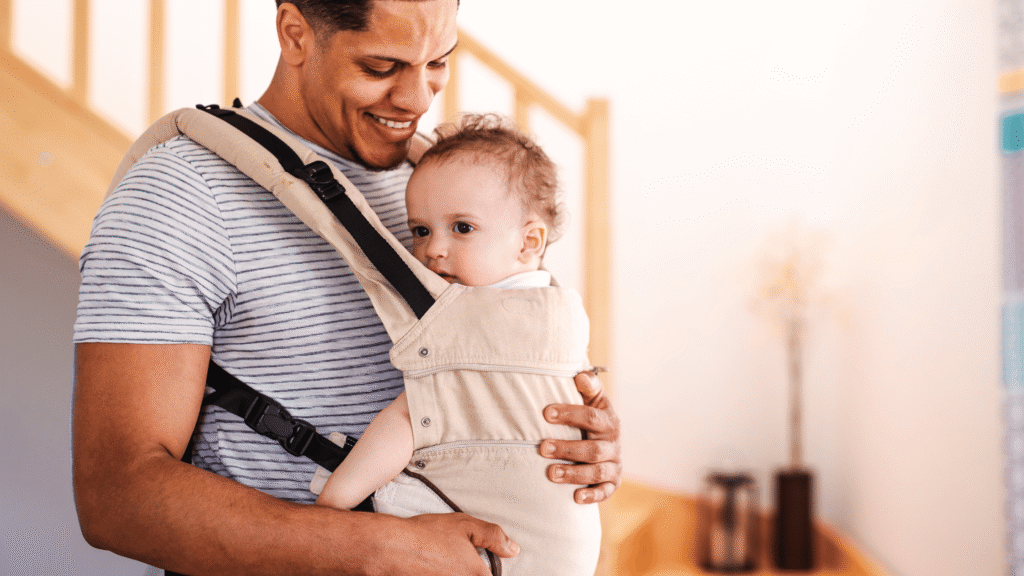
Introduction: Why Babywearing is More Than Just a Trend
In today’s busy world, parents are constantly seeking ways to stay connected with their babies while managing day-to-day tasks. Enter the baby carrier—a practical, hands-free solution that allows parents to keep their little ones close while moving freely. But babywearing is more than just a modern convenience. It supports infant development, strengthens bonding, and can even help reduce crying and promote better sleep.
With so many baby carrier types available—wraps, slings, structured carriers, and hybrids—choosing the right one can feel overwhelming. This article will walk you through the main types of baby carriers, explain their benefits, and help you decide which one suits your lifestyle and your baby’s needs.
The Main Types of Baby Carriers
Each type of baby carrier has unique features, styles, and comfort levels. The best one for you depends on your baby’s age, your physical comfort, and how you plan to use it.
1. Wrap Carriers
Description:
A wrap is a long piece of stretchy or woven fabric that you tie around your body to create a snug pouch for your baby. It’s highly adjustable and can be styled in several ways.
Best For:
Newborns and infants, skin-to-skin bonding, at-home use.
Pros:
- Excellent for newborn closeness
- Customizable fit for all body sizes
- Even weight distribution
Cons:
- Steep learning curve for tying techniques
- Not as convenient for quick trips
2. Ring Slings
Description:
Made from a long piece of fabric threaded through two rings, a ring sling is worn over one shoulder and across your torso, allowing you to carry the baby on your chest or hip.
Best For:
Newborns to toddlers, quick errands, and breastfeeding on the go.
Pros:
- Easy to put on and take off
- Lightweight and breathable
- Great for hip carries
Cons:
- Uneven weight distribution can strain one shoulder
- May not be suitable for long-term wear with heavier babies
3. Soft Structured Carriers (SSC)
Description:
These are popular, ergonomic carriers with padded shoulder straps and waist belts. They typically offer front, back, and sometimes hip-carrying positions.
Best For:
Babies 4 months and older, active parents, travel, and extended wear.
Pros:
- Easy to use and adjust
- Good support for both baby and wearer
- Many come with hoods, pockets, and lumbar support
Cons:
- Bulkier than wraps or slings
- Can be hot in warm weather
4. Meh Dai (or Mei Tai) Carriers
Description:
A traditional Asian-style carrier that combines elements of a wrap and a structured carrier. It consists of a panel with four fabric straps—two for the shoulders and two for the waist.
Best For:
Infants to toddlers, parents who want a structured feel without buckles.
Pros:
- Versatile and customizable fit
- Balanced weight distribution
- Easier to learn than wraps
Cons:
- Requires tying (not as quick as buckles)
- Limited availability compared to SSCs
5. Backpack-Style Carriers (Framed Carriers)
Description:
Designed with a metal frame, these carriers are built for outdoor activities like hiking. They offer maximum support and storage for long journeys.
Best For:
Toddlers and older babies (6+ months), hiking, and outdoor adventures.
Pros:
- Excellent back support
- Storage compartments for gear
- High durability
Cons:
- Heavier and bulkier
- Not suitable for younger babies or daily errands
Key Benefits of Using a Baby Carrier
Beyond convenience, baby carriers offer physical, emotional, and developmental benefits for both babies and caregivers.
1. Bonding and Emotional Security
Wearing your baby helps build a strong parent-child bond through touch, warmth, and heartbeat sounds—similar to the womb experience. This can lead to reduced infant stress and promote emotional development.
2. Hands-Free Convenience
Whether you’re doing chores, grocery shopping, or going for a walk, a carrier allows you to move freely while keeping your baby close, freeing up your hands for multitasking.
3. Supports Physical Development
When properly positioned, baby carriers promote healthy hip development and muscle strengthening. Upright positioning also aids digestion and can help reduce reflux and colic.
4. Encourages Learning and Socialization
Being at adult eye level, babies worn in carriers are exposed to more stimulating environments, voices, and expressions, helping to boost early cognitive and language development.
5. Reduces Crying
Studies show that babies who are carried more often tend to cry 43% less overall, especially in the first three months of life. The closeness and motion provide comfort and reassurance.
How to Choose the Right Baby Carrier
With so many options, choosing the right baby carrier comes down to a few personal considerations:
1. Your Baby’s Age and Weight
- Newborns benefit from soft wraps or ring slings that offer womb-like closeness.
- Older babies and toddlers need more structure and support, making SSCs or framed carriers ideal.
2. Your Lifestyle and Activities
- For short trips or errands: Ring slings or SSC are great.
- For home use and cuddling: Choose a wrap.
- For hiking and long walks: Opt for a framed carrier.
3. Comfort and Fit
Make sure the carrier:
- Distributes weight evenly
- Doesn’t strain your back or shoulders
- Allows your baby to sit in an ergonomic “M” position (knees above hips)
4. Ease of Use
Some carriers, like SSCs, are quick to put on with buckles and clips. Others, like wraps, offer more customization but require more time and practice.
5. Climate and Material
In hot weather, look for breathable fabrics like cotton or mesh panels. Thicker materials may be better for cooler climates.
Conclusion: A Carrier for Every Parent and Baby
Babywearing is not only a practical parenting tool but also a beautiful way to nurture your baby’s emotional and physical development. With so many carrier types available, there’s truly something for every family, lifestyle, and phase of babyhood.
Whether you choose a soft wrap for cozy cuddles, a ring sling for quick errands, or a structured carrier for all-day comfort, the most important thing is that both you and your baby feel safe, supported, and connected.
Related Posts

Unleashing the Potential: MT5’s Game-Changing Features for Indian Forex Enthusiasts
As the forex market continues to grow in India, traders…

Which Forex Broker Has the Best Trading Conditions in PH?
In the competitive Forex market, optimal trading conditions can make…

I Can’t Hear—What’s Causing It and How Can I Fix It?
Introduction: When Hearing Suddenly Becomes a Problem Hearing is something…