
Introduction: Why Claim Speed Matters
Accidents happen—sometimes it’s a minor scratch, sometimes a more serious collision. When they do, knowing how to file a car insurance claim quickly and correctly can save you time, stress, and money. This is especially true if you have Class 1 car insurance, the most comprehensive type of vehicle coverage available in Thailand and many other countries.
Class 1 insurance not only covers damage to third parties but also includes protection for your own vehicle, even if you’re at fault. While this level of coverage provides peace of mind, navigating the claims process can still be daunting if you’re not prepared.
This guide walks you through everything you need to know to manage your Class 1 car insurance claim efficiently—from what to do immediately after an accident to how to deal with assessors, repairs, and documentation. Whether you’re a new driver or an experienced one, this quick and easy guide will help you file your claim with confidence.
Understanding What Class 1 Car Insurance Covers
Before diving into the claims process, it’s important to know what Class 1 insurance typically includes. While exact coverage varies by insurer, most Class 1 policies provide:
- Comprehensive damage coverage (your vehicle and third-party property)
- Third-party liability (property damage and bodily injury)
- Theft and fire protection
- Vandalism and natural disaster coverage
- Personal accident coverage for the driver and passengers
- Medical expenses and bail bond protection
This wide range of protection makes Class 1 insurance the go-to option for new cars, high-value vehicles, and drivers who want peace of mind.
Step 1: What to Do Immediately After an Accident
Stay Calm and Ensure Safety
The moments after an accident are crucial. If possible, move your vehicle to the side of the road to prevent further accidents. Turn on your hazard lights and check that everyone is safe.
Contact Your Insurance Provider
Most Class 1 insurers offer 24/7 hotlines. Call your insurer immediately and report the accident. They will dispatch a claims representative or surveyor to the scene, often within 30–60 minutes.
Make sure to provide:
- Your policy number
- Your current location
- Basic details of the incident
Take Photos and Exchange Information
While waiting for the insurer’s staff:
- Take clear photos of all vehicles involved, damages, license plates, and surroundings.
- Exchange names, phone numbers, driver’s licenses, and insurance information with the other party.
This documentation can be critical if there are any disputes later.
Step 2: Filing Your Claim with the Insurance Company
Meet with the Surveyor
Once the claims surveyor arrives, they will:
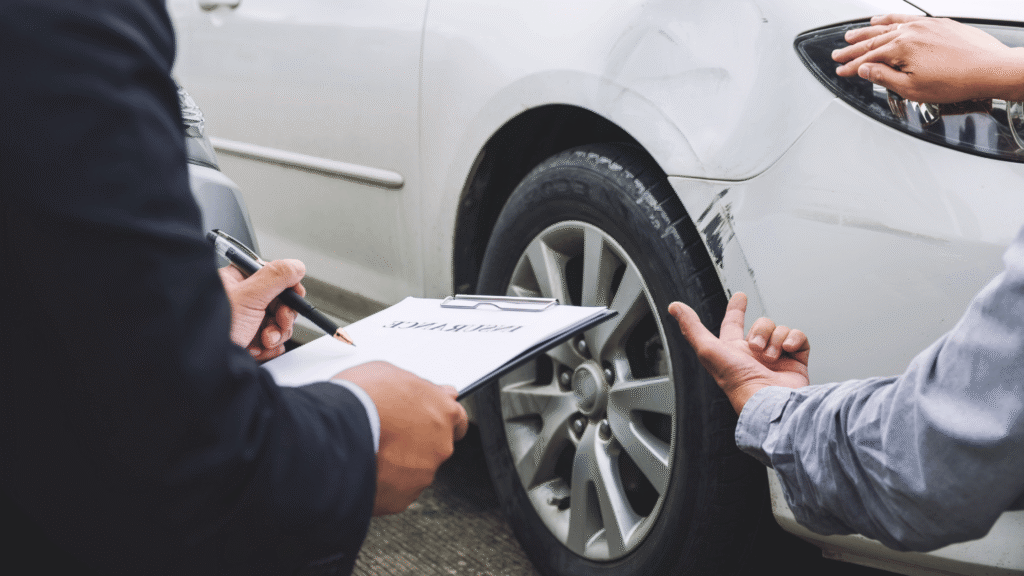
- Inspect and photograph the damage
- Interview all parties involved
- Create a preliminary accident report
In many cases, you’ll receive a claim form to sign on the spot. For minor damage, this might be all that’s needed. For more complex cases, further documentation may be required.
Required Documents
Be ready to submit:
- Your driver’s license
- Vehicle registration (blue book or copy)
- Copy of your insurance policy
- Police report (if required for serious accidents or disputes)
Some insurers allow these documents to be uploaded via their app or website.
Step 3: Getting Your Vehicle Repaired
Authorized vs. Non-Authorized Garages
Class 1 policyholders typically have the option to choose between:
- Authorized (partner) garages – Faster approval process, cashless service, and quality assurance.
- Non-authorized garages – More freedom of choice, but may require additional paperwork or partial payment.
It’s usually recommended to go with a partner garage, especially for faster service and guaranteed workmanship.
Repair Process and Timeline
- The surveyor submits their report to the insurer.
- You receive a repair slip or approval confirmation.
- The garage contacts you to book a time for repairs.
- Repair time varies based on parts availability and damage severity—anywhere from 2 to 14 days.
Some insurers offer a replacement car while yours is being fixed, especially if your policy includes this benefit.
Step 4: Tracking and Following Up
Use the Insurer’s App or Portal
Many insurers offer mobile apps or online portals where you can:
- Track your claim status
- Chat with customer service
- View repair updates
- Access digital documents
Stay in touch with both the insurance company and repair shop to avoid unnecessary delays.
Follow Up for Completion and Final Checks
Once the repairs are complete:
- Inspect the vehicle carefully before accepting it.
- Check that all agreed repairs were made.
- Request a copy of the final invoice (for your records).
Some insurers ask you to sign a completion form to close the claim file.
Tips to Speed Up the Claim Process
- Always keep copies of your documents ready in both digital and paper form.
- Use your insurer’s preferred repair network to avoid delays in approvals.
- Be honest and concise when describing the incident—misinformation can lead to disputes or rejection.
- Avoid moving your vehicle too much before the claims officer arrives unless it’s for safety.
- Follow up proactively—don’t wait for calls, especially during peak times or holidays.
Common Mistakes to Avoid
- Delaying the report: Waiting too long to notify your insurer can void your claim.
- Admitting fault on the spot: Let the insurer handle fault determination.
- Skipping the police report: For serious or unclear cases, not getting a police report can complicate matters.
- Using unlisted drivers: If someone not listed on your policy was driving, your claim may be denied.
Conclusion: Peace of Mind Starts with Preparation
Having Class 1 car insurance gives you the most comprehensive protection available—but that doesn’t mean the claims process is automatic. By staying calm, knowing the steps, and preparing your documents in advance, you can handle a claim quickly, confidently, and without unnecessary stress.
From contacting your insurer and documenting the scene to choosing the right repair shop and following up on repairs, this guide gives you everything you need to streamline your experience. With the right approach, you’ll be back on the road in no time—protected and informed.